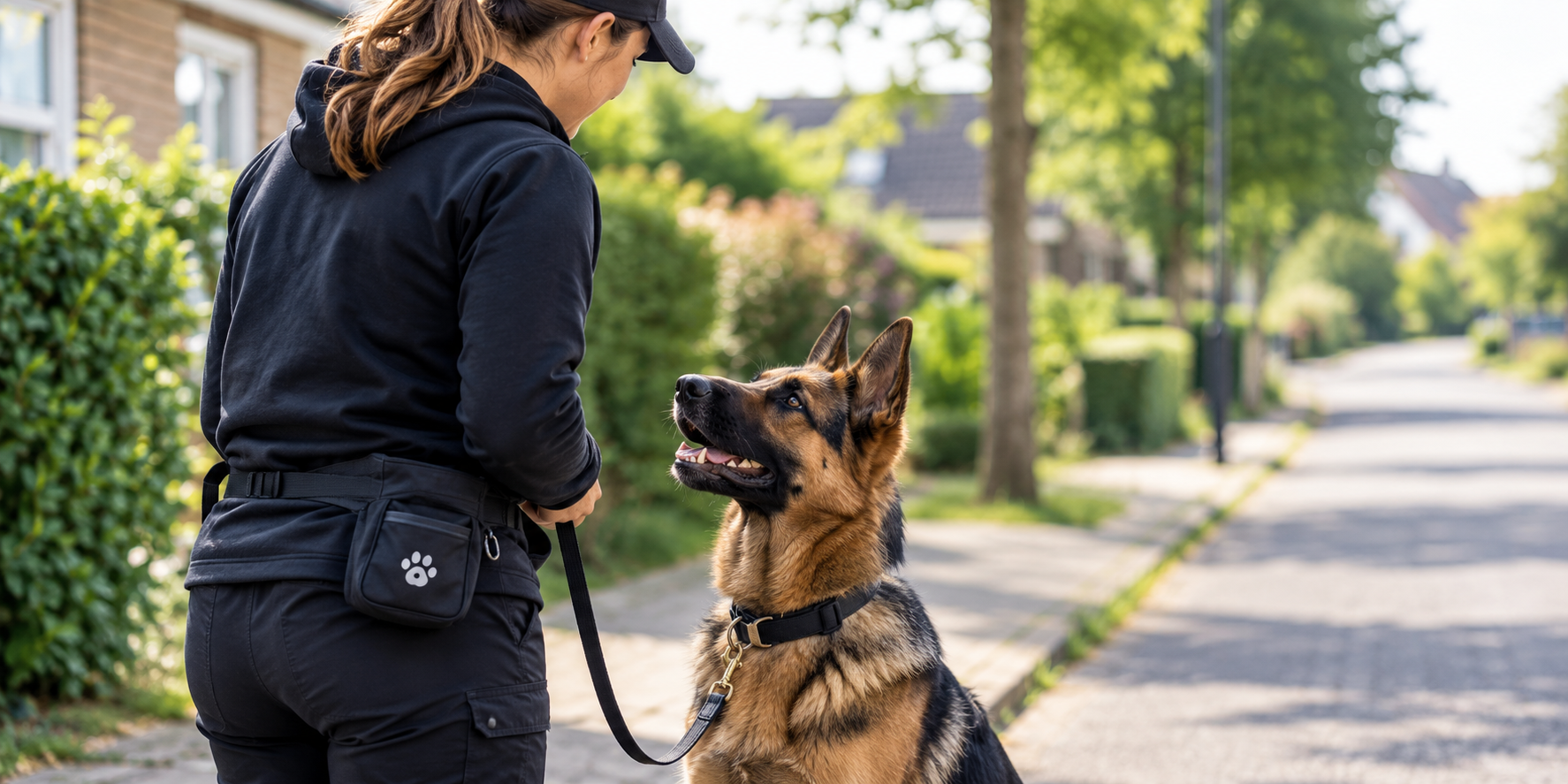
Dog Behavior Assessments: Is He Actually Getting Better?
Owners ask whether training is working around week six. A dog behavior assessment built from your session notes answers with evidence, not a feeling.
Practical advice on running board & train, group classes, and a profitable training business, plus product news from HeelYeah!.
Owners ask whether training is working around week six. A dog behavior assessment built from your session notes answers with evidence, not a feeling.
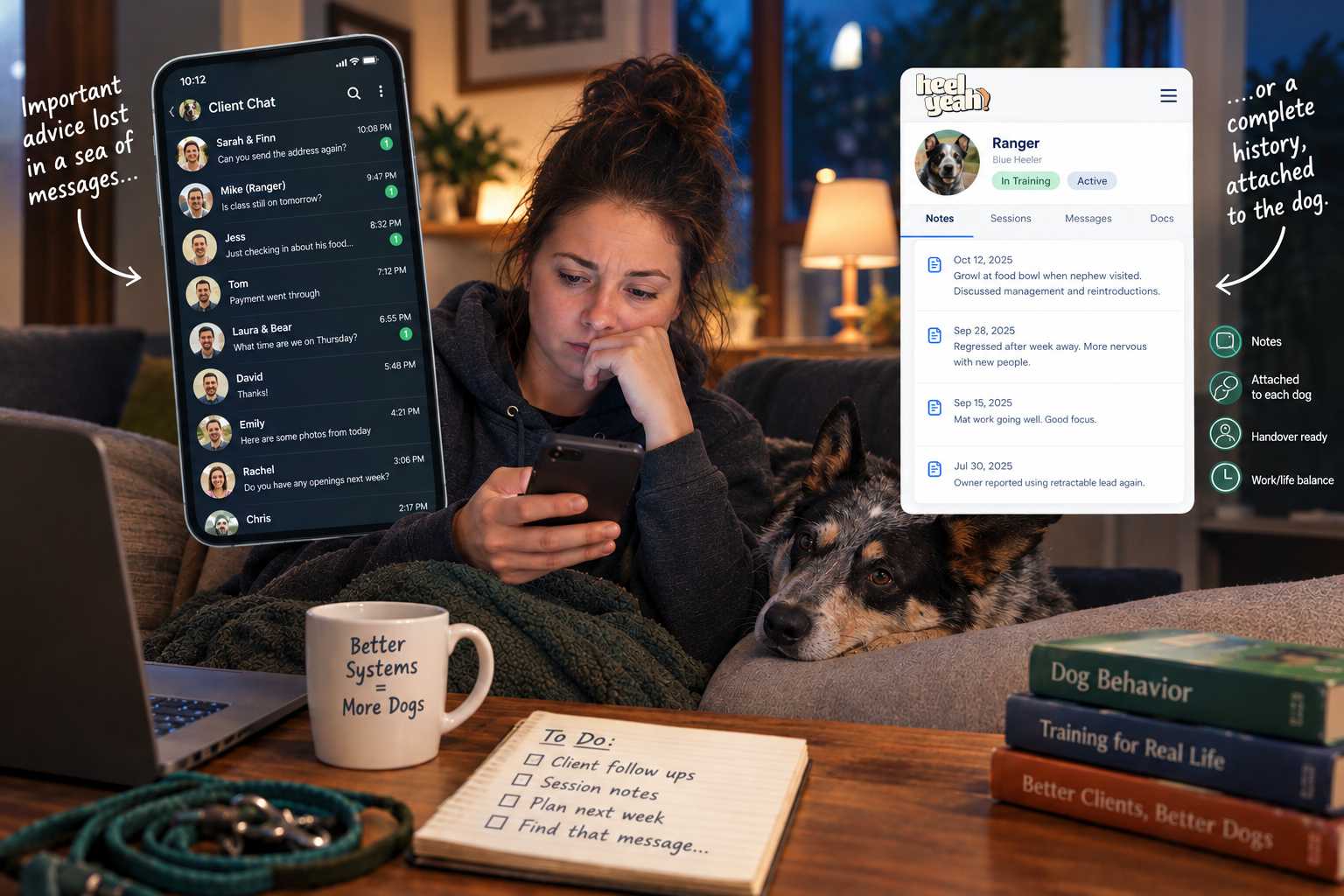
Client texts and DMs live in your personal phone, where nothing is searchable or shareable. Where dog training client communication should live instead.
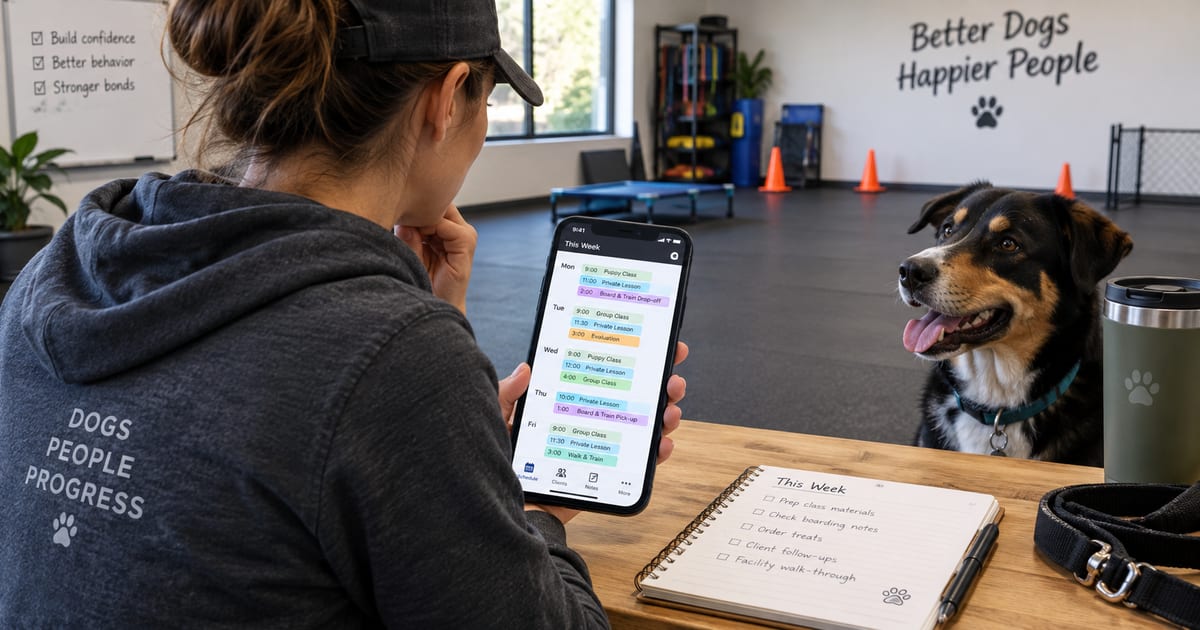
Double-bookings are a data problem, not a discipline problem. How dog training scheduling software puts every session, class and blocked hour on one calendar.
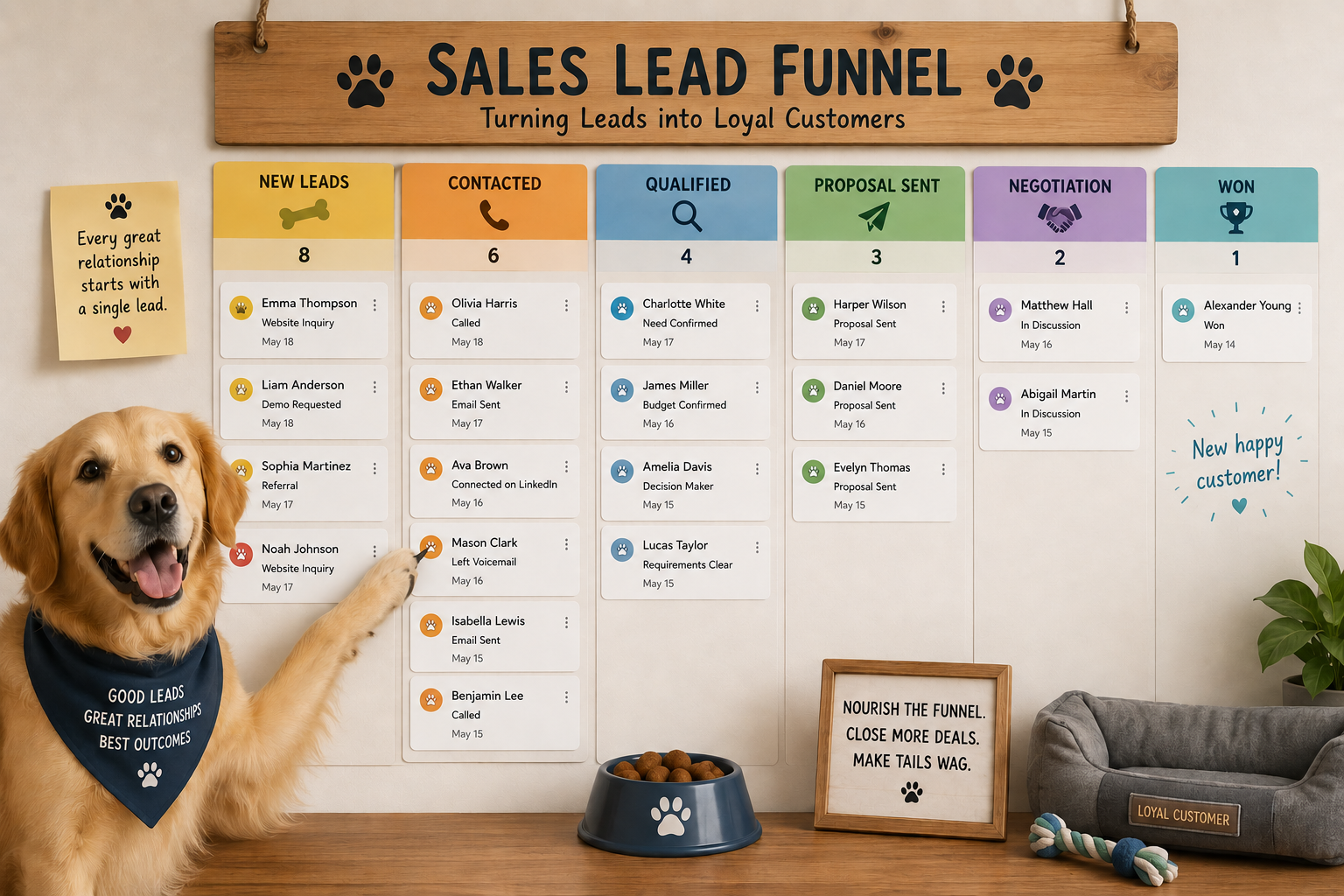
Most dog training inquiries are lost to a busy week, not to a better trainer. How lead management turns 'how much do you charge?' into a booked client.
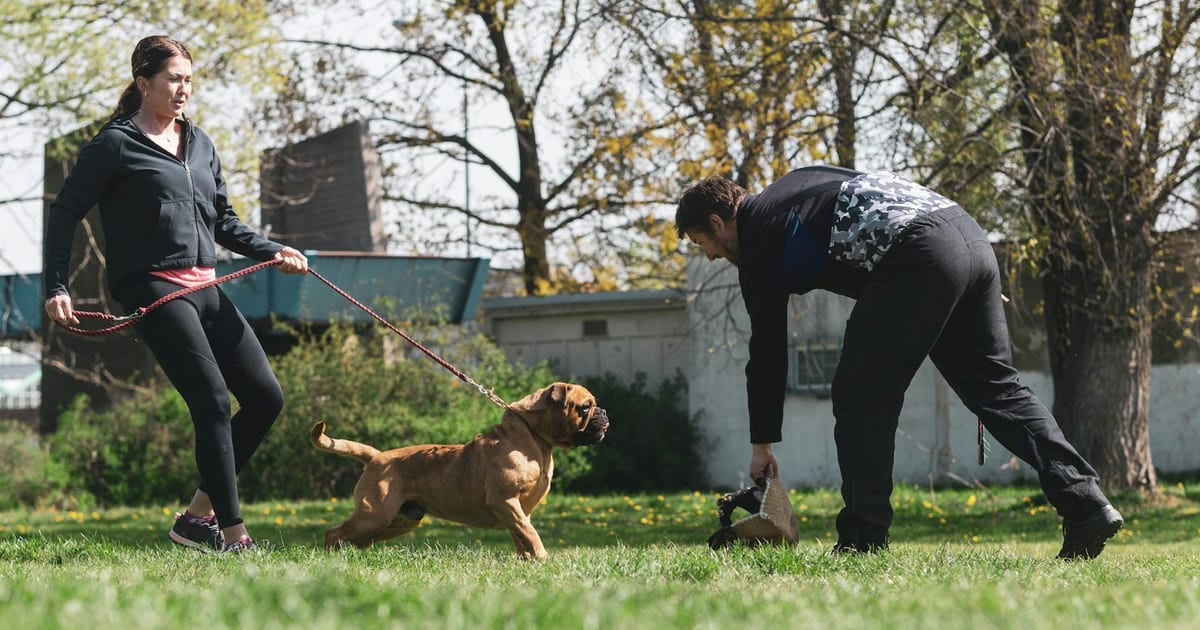
Hiring trainers for your dog training business means handing over client relationships. Here's what to settle about access, calendars, and pay before day one.
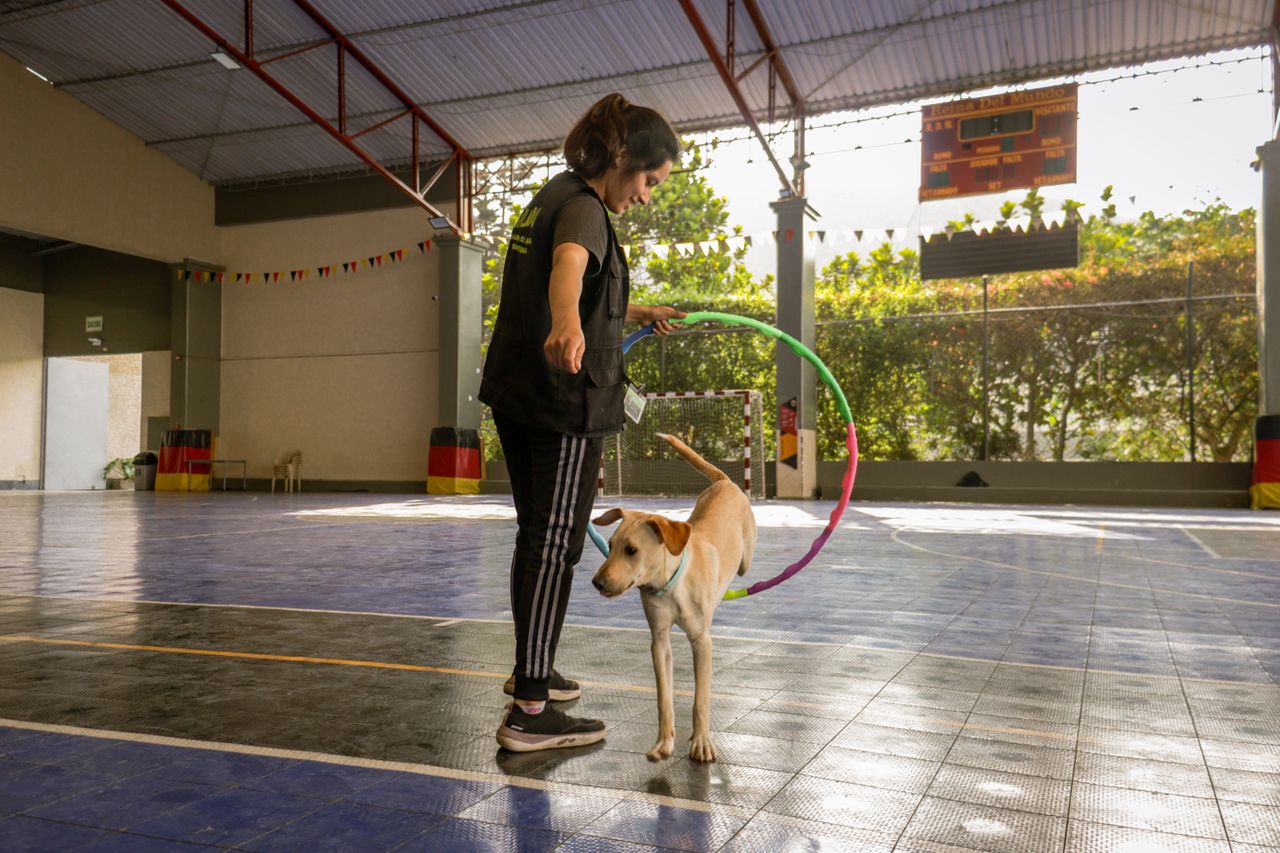
Most trainers track prepaid sessions in a notebook and give one away per package. Here's how to run dog training packages so the balance is never in dispute.
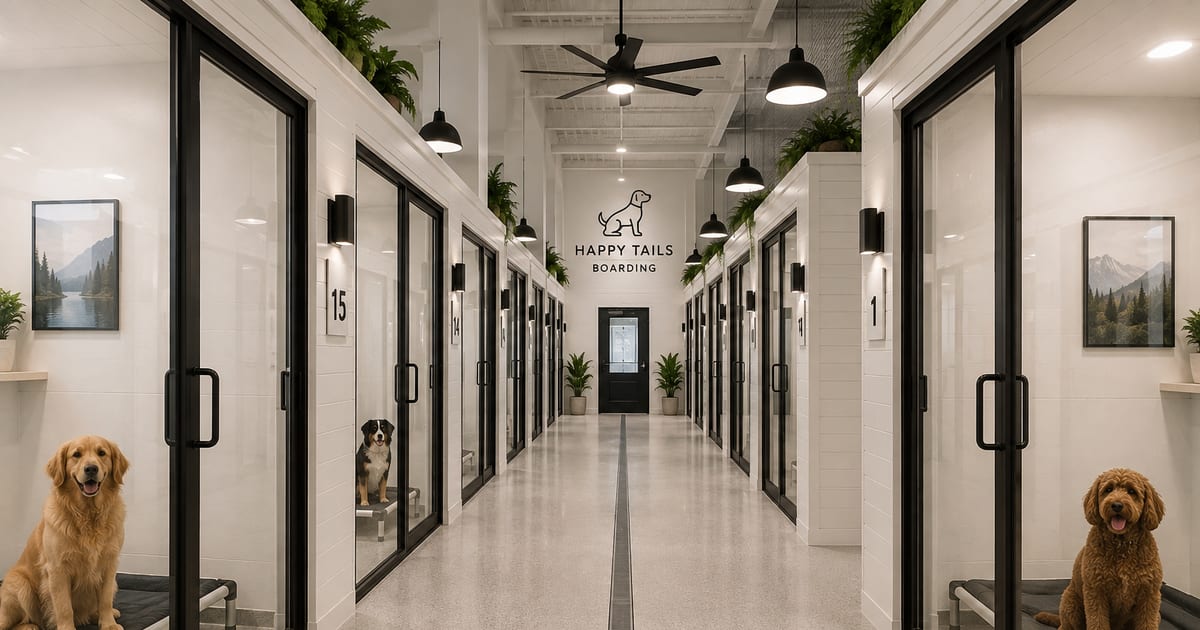
Dog boarding runs on whiteboards until a shift change loses the thread. How kennel management software tracks occupancy, daily care, and check-ins.

Dog training consent forms and waivers protect your business and set clear expectations before the first session. Here's what to include and why each section matters.

A client who needs to 'think about it' often just can't write a $1,200 check today. Payment plans close the sale without discounting your program.

Generic CRM platforms weren't built for dog training. Here's why retrofitted software creates more admin, not less, and what purpose-built looks like.

Most dog trainers manage clients through texts and email threads. A client portal gives owners one place for everything, and takes the admin load off you.

Good session notes are the difference between remembering a dog and guessing. Here's what to record after every session, and how to keep notes usable over time.

Most dog trainers price by looking at what competitors charge. Here's how to build a pricing structure that reflects the work.

Most trainers lose touch with clients after the final session. A simple follow-up system keeps the relationship alive and brings clients back.

The gap between sessions is where dog training either sticks or fades. Here's why clients stop practicing, and what trainers can do about it.

A good board and train intake form does more than collect contact info. Here's what to ask before a dog comes in, and why each section matters.

Group classes are great for business, but the enrollment side is often a mess of DMs, spreadsheets, and manual invoices. Here's how to clean it up.
We're putting together practical guides for dog training businesses. Check back soon.
Try a different keyword or clear the filters.